
Hitclub79.asia Watch: Leverkusen Tactical Setup Ahead of Game
If you are looking for how to access reliable match footage, track real-time tactical adjustments, and understand Bayer Leverkusen’s formation shifts before kickoff, the most efficient path involves combining official broadcast channels with verified analytics platforms. Viewers seeking clear tactical breakdowns should prioritize services that offer low-latency streams, overlay statistics, and post-match positional heat maps. Accessing these tools requires basic account verification, stable bandwidth management, and an awareness of which sources hold official broadcasting rights. Below is a practical breakdown of what supporters typically need to know, how to navigate viewing workflows, and where to validate broadcast quality.
What viewers actually search for before kickoff
Football analysts and supporters usually enter specific terms when preparing to watch an upcoming fixture. The search intent clusters around three core needs: identifying the starting eleven, understanding pressing triggers, and locating a stream that does not suffer from synchronization delays. Tactical watchers want to see how a team organizes its defensive block, whether they utilize inverted fullbacks, and how the midfield pivots during build-up phases. Casual viewers typically look for straightforward match highlights, commentary in their preferred language, and consistent video stability across devices.
The overlap between these two audiences explains why many searches include both team names and keywords related to formation, shape, and live data. Supporters expect to see how coaches adapt to opponent weaknesses, particularly in transitional moments. When a squad enters a match with a modified setup, viewers want immediate visual confirmation rather than delayed written reports. This demand drives traffic toward platforms that aggregate broadcast links, display lineup confirmations minutes before whistle time, and provide synchronized statistical overlays.
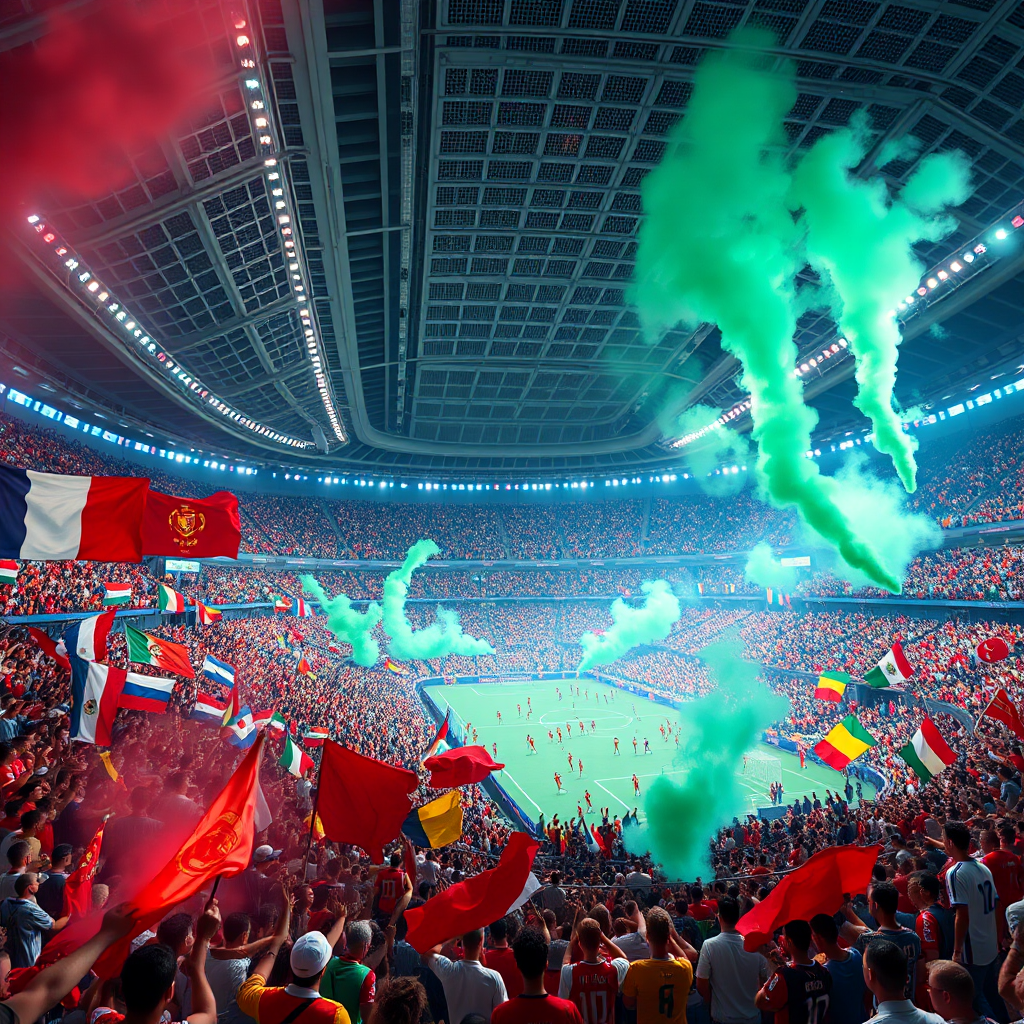
 Hình minh hoạ: hit club
How Bayer Leverkusen structures their pre-match framework
Bayer Leverkusen has consistently operated within flexible systems that prioritize ball retention, vertical passing lanes, and coordinated pressing. In possession, the team frequently positions its center-backs wide to create numerical superiority in the first phase of attack. Midfielders drop between lines to receive passes from advanced wingers, while fullbacks push into half-spaces to stretch opposition defenses. This structure relies heavily on timing, communication, and spatial awareness among all outfield players.
Defensively, the side tends to compress vertically when out of possession, forcing opponents toward the touchlines where crossing opportunities become less dangerous. Transition moments expose vulnerabilities, however, particularly when quick counter-attacks exploit spaces left by overlapping runners. Coaches typically address these gaps during pre-match briefings, adjusting recovery runs and marking assignments based on scouting reports. Viewers who pay attention to these micro-adjustments gain insight into why certain phases of play succeed or stall.
Tactical flexibility remains central to their approach. Against compact defenses, the team shifts toward wide overloads and patient circulation. Against high-pressing sides, they deploy long balls over the pressure line or utilize quick combinations through the middle. Each variation requires specific training repetitions, and match-day execution depends on how well players internalize these instructions. Observing these patterns provides context for interpreting on-pitch decisions throughout ninety minutes.
Navigating access, registration, and viewing workflows
Setting up a reliable viewing environment requires a systematic approach. The process begins with identifying which broadcasters hold regional rights for the competition. Once confirmed, supporters should verify subscription requirements, device compatibility, and offline recording options if available. Many platforms require email validation, age verification, or payment method binding before granting full access. Completing these steps ahead of kick-off prevents last-minute friction.
- Locate official broadcaster listings through league websites or club announcements.
- Create an account using a secure password and enable two-factor authentication if supported.
- Test stream latency on a secondary device to compare synchronization with official radio commentary.
- Adjust resolution settings based on internet speed, prioritizing stability over extreme pixel density.
- Save bookmarked dashboard layouts that display lineup cards, substitution clocks, and possession stats.
When buffering occurs, switching to lower bitrate profiles often restores smooth playback without sacrificing tactical clarity. Some viewers prefer multi-tab setups that combine live video with real-time heat maps and pass completion percentages. Platforms like hit club provide aggregated directories that simplify navigation, though users should cross-reference links against official source lists to avoid dead endpoints. Customer support channels typically operate through ticket systems or live chat, with response times varying depending on match volume. Documenting error codes and timestamp notes accelerates troubleshooting when technical issues arise during critical phases of play.

Identifying risks and verifying broadcast legitimacy
Unverified streaming environments carry measurable drawbacks. Unauthorized mirrors frequently inject intrusive advertisements, redirect traffic to phishing domains, or compromise device security through malicious scripts. Copyright infringement also remains a legal consideration in many jurisdictions, and repeated access to pirated feeds may result in throttled connections or temporary service blocks. Verification requires checking domain history, SSL certification status, and community reputation scores.
Legitimate broadcasters display consistent branding, transparent pricing tiers, and customer service contact information. They rarely request unnecessary permissions or demand unrelated software downloads. Users can cross-check stream quality against known benchmarks: official matches typically maintain sub-two-second delay relative to stadium feed, feature multiple camera angles, and include certified commentator audio tracks.
| Indicator | Authorized Source | Unverified Mirror |
|---|---|---|
| Payment transparency | Clear subscription tiers and refund policy | Hidden fees or crypto-only requests |
| Stream delay | Consistent 0–5 second offset from stadium feed | Frequent desync or buffering loops |
| Support accessibility | Verified helpdesk with response SLAs | No contact info or automated bot replies |
| Content authenticity | Official logos, licensed commentary, replay archives | Watermarked clips, AI voiceovers, missing segments |
Verifying legitimacy reduces exposure to data harvesting and ensures that match footage aligns with competition regulations. Support teams at authorized providers typically offer migration assistance when region restrictions change or when hardware upgrades require new account configurations. Keeping records of transaction receipts and session logs simplifies dispute resolution if service interruptions impact viewing commitments.

Frequently asked questions about match-day viewing
Where can I find real-time tactical overlays during live coverage?
Many sports networks integrate proprietary graphics that display passing networks, defensive lines, and pressing zones. These overlays appear directly within the broadcast interface or through companion mobile applications. Third-party analytics dashboards occasionally sync with official feeds, though latency may introduce minor discrepancies compared to stadium-originating data.
How early do teams officially confirm their starting elevens?
Most competitions mandate lineup submissions thirty minutes before kickoff. Broadcasters usually publish confirmed sheets shortly after submission windows close. Tactical watchers note that warm-up formations sometimes shift based on weather conditions, pitch quality, or last-minute fitness assessments.
Why do some streams consistently lag behind the action?
Delay stems from encoding pipelines, CDN routing, and moderation buffers designed to censor inappropriate content or comply with regional regulations. Lower-tier mirrors often lack optimized infrastructure, resulting in compounded latency. Adjusting to radio commentary or official match timers helps viewers contextualize delayed visuals.
Is it safe to watch on mobile data during high-stakes fixtures?
Mobile streaming consumes significant bandwidth, particularly at higher resolutions. Reducing auto-play features, closing background applications, and selecting standard definition modes preserves data limits while maintaining functional viewing. Cellular network congestion near stadiums can also degrade performance regardless of plan capacity.
Can I record matches for later tactical review?
Authorized platforms frequently offer cloud recording or downloadable archives subject to licensing agreements. Local screen capture tools exist but may violate terms of service in certain regions. Checking platform guidelines before initiating recordings prevents account restrictions or content removal.
Recommendations tailored to your viewing profile
Casual supporters benefit most from official broadcaster subscriptions that guarantee stable delivery, multilingual commentary, and integrated highlight packages. These services remove the friction of chasing reliable links and provide consistent match experiences across seasons. Budget-conscious viewers can leverage free-to-air regional channels, antenna setups, or library-based sports databases that occasionally host archived fixtures. Tactical analysts should prioritize platforms offering raw feed access, API-driven statistics, and exportable dataset formats for deeper positional study.
Users seeking comprehensive preparation materials ought to combine live viewing with pre-match press conferences, coach interviews, and published scouting reports. Cross-referencing multiple analytical sources reduces bias and clarifies whether observed patterns represent systemic strategy or situational adjustments. Maintaining organized notes on formation shifts, substitution impacts, and set-piece routines builds long-term viewing literacy. Whether following routine league rounds or knockout-stage encounters, structured preparation transforms passive watching into active learning. Prioritizing verified sources, managing bandwidth expectations, and leveraging official support channels ensures a smoother experience from kickoff to final whistle.
