hitclub01.design Flash News: Late Equalizer Shock Fans in Midweek European Game
If you are currently trying to reconcile conflicting social media posts, wondering why a seemingly settled European fixture suddenly flipped overnight, or searching for a verified breakdown before adjusting your viewing schedule, you are dealing with a common modern sports information gap. Fragmented highlight clips, rushed commentary, and algorithm-driven rumors often leave supporters without a clear timeline of events. Rather than piecing together scattered updates, this report delivers a structured overview of how the match unfolded, why the final response caught observers off guard, and what the immediate aftermath means for competition standings.
The midweek clash delivered exactly that kind of unpredictable finish. One side built a methodical advantage through disciplined possession and structured pressing, only to see the momentum reverse in the final quarter of the second half. The equalizer arrived outside the expected window, catching both the defensive line and the crowd off balance. Because the goal came so close to full time, traditional post-match narratives had to be rewritten before the referee even blew the whistle. For readers tracking live updates, the situation highlights how quickly tactical discipline can unravel under sustained pressure.
Match Context and Tactical Setup
Before the turning point, the contest followed a predictable rhythm. The leading side dictated tempo through short combinations and controlled midfield transitions, while the opposing team stayed compact and looked for vertical outlets on the counter. Set pieces were minimal, and most chances originated from wide areas that eventually fed into central zones. Both managers appeared comfortable with their initial setups, which explains why the sudden collapse surprised observers who were watching for a gradual shift rather than an abrupt reversal.
The tactical foundation rested on maintaining structural integrity. Defenders operated in coordinated lines, midfielders rotated to cover passing lanes, and forwards pressed selectively to force errors without exposing space behind. This approach worked efficiently for the majority of the match, allowing the leading side to control territory and limit high-danger opportunities. The opposing squad adapted by absorbing pressure, waiting for moments of positional fatigue, and exploiting transitional windows rather than engaging in prolonged duels.
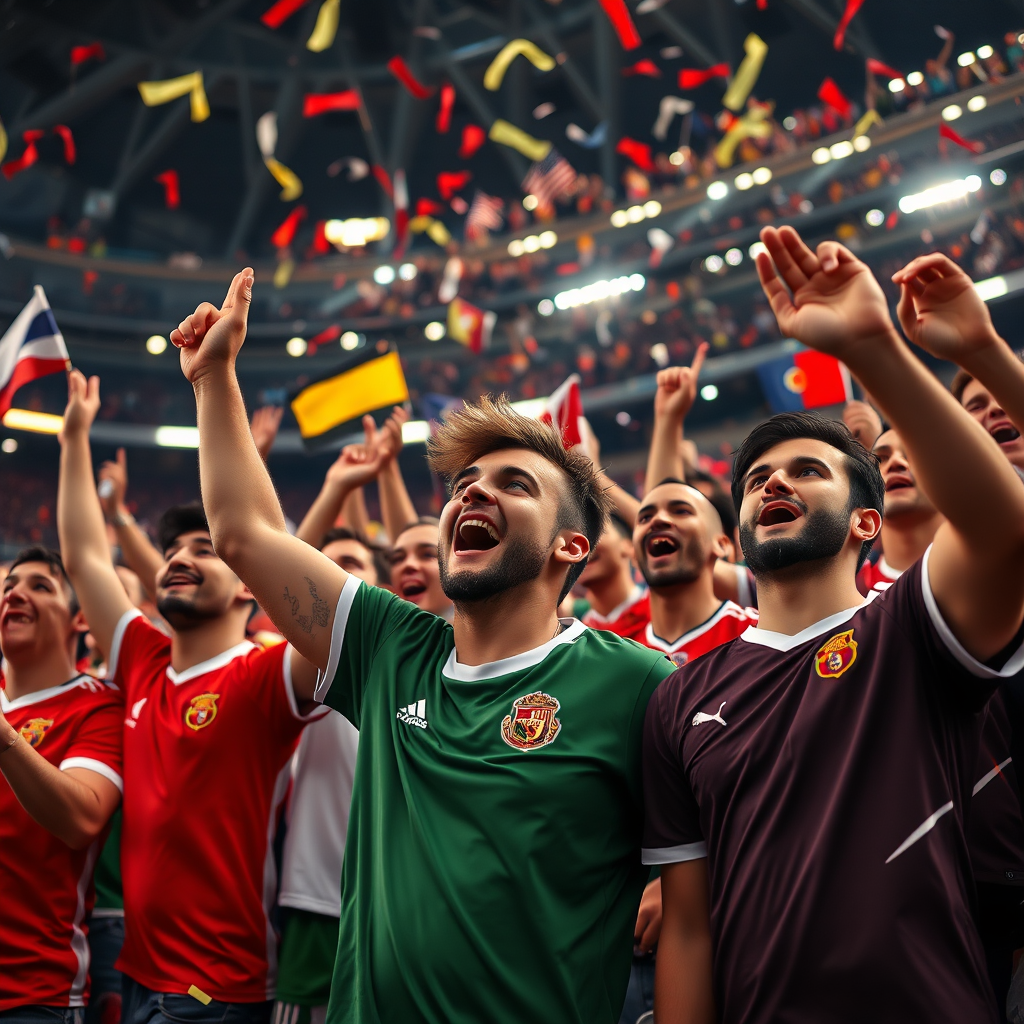 Hình minh hoạ: https://hitclub01.design/
How the Shift Unfolded
The change began when the trailing side adjusted its press triggers. Instead of maintaining a passive block, they started stepping higher up the pitch, forcing rushed passes and limiting the opponent’s ability to recycle possession. That tactical tweak created a turnover in a dangerous area, setting the stage for the decisive strike. The attacking movement leading to the goal relied on staggered runs and quick interchanges, bypassing the organized defensive shape that had held firm for most of the ninety minutes.
Observers noted that the equalizer was not a product of poor officiating or external interference, but rather a direct consequence of timing and spatial exploitation. Defenders found themselves drawn out of position by overlapping movements, while the goalkeeper faced a shot angle that left little margin for error. These technical details matter because they explain why a well-drilled unit can still concede when execution happens at peak speed. The psychological weight shifted instantly, and the remaining minutes played out under heavy tension rather than routine management.
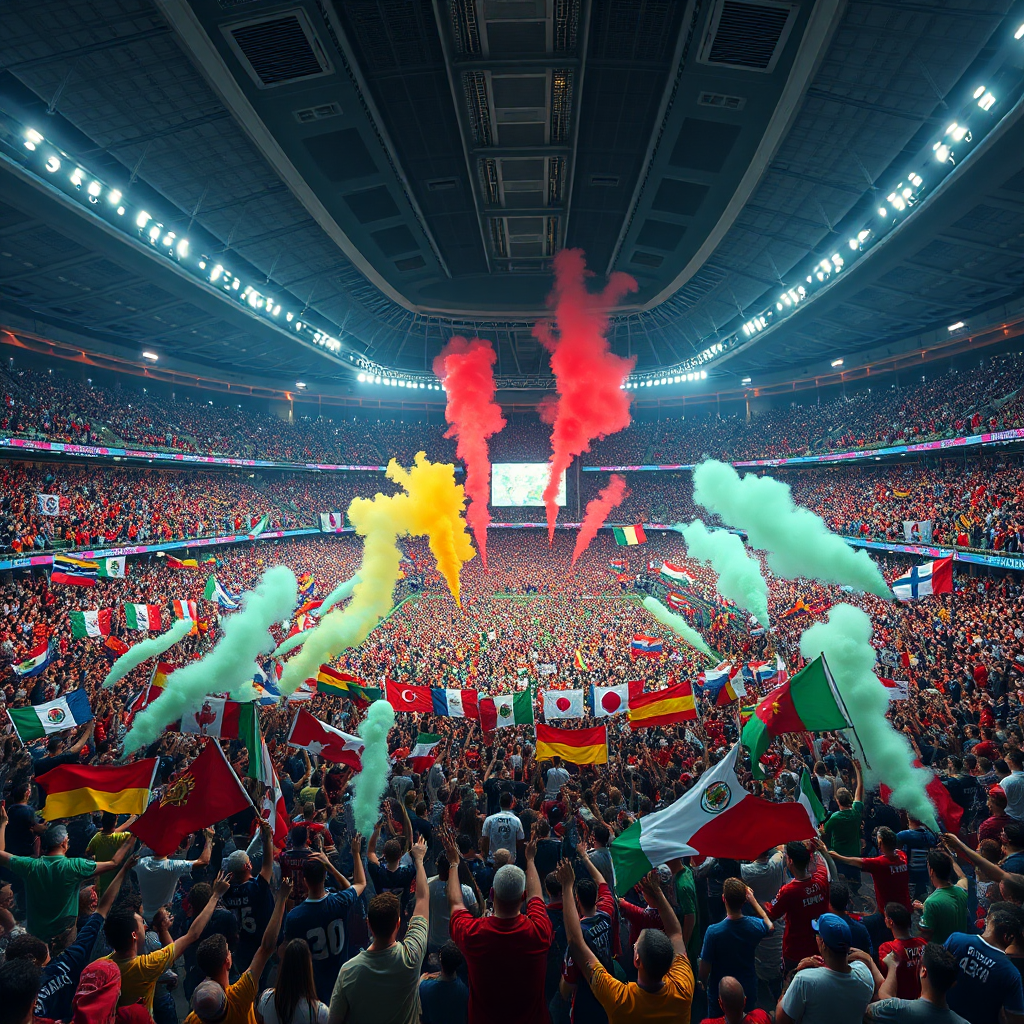
Reactions Across the Standings and Digital Spaces
Social media feeds filled rapidly with mixed responses. Some supporters praised the resilience shown by the chasing team, highlighting the value of staying patient until the final stages. Others expressed frustration over defensive lapses, pointing out that concentration levels dropped precisely when results seemed secured. Fantasy participants adjusted their strategies overnight, recognizing that injury-time volatility remains a constant factor in European competitions. Coaches and pundits alike emphasized that match management, particularly in the closing fifteen minutes, will dictate progression paths more than opening hour dominance.
Professional analysts broke down the sequence using positional data, showing how spacing widened during high-pressure phases. The footage revealed that communication breakdowns occurred between the backline and midfield shield, creating gaps that the opposition exploited with precise timing. Such insights help fans move beyond surface-level complaints and understand the mechanical reasons behind sudden score changes.

What to Watch Next
The competition format ensures that single-match fluctuations rarely define entire campaigns. Knockout ties and group-stage seeding still reward consistency across multiple fixtures, meaning one dramatic finish will not override accumulated performance metrics. Teams involved in this encounter will likely review set-piece organization, transition recovery, and substitution timing before the next appointment. Opponents facing similar structures may also study how the pressing adjustment altered the game flow, preparing alternative approaches to neutralize sudden intensity spikes.
| Factor | Initial State | Post-Equalizer Shift |
|---|---|---|
| Possession Control | Steady distribution through midfield | Forced long balls and rushed clearances |
| Defensive Shape | Compact block with clear marking lines | Stretched positioning due to overlapping runs |
| Pressing Intensity | Moderate and selective | Aggressive triggering in advanced zones |
| Match Tempo | Controlled and rhythmic | Fragmented with frequent stoppages |

Key Takeaways and Forward Outlook
Midweek European fixtures consistently test squad depth, mental endurance, and in-game adaptability. The recent result underscores how easily momentum can transfer when one side commits to higher-risk pressing while the other maintains structural patience. Management decisions, particularly regarding fresh legs and tactical adjustments, often determine whether a team stabilizes after a late concession or allows fatigue to compound.
For supporters tracking qualification scenarios, the takeaway is straightforward: consistency across a full campaign outweighs isolated dramatic moments. Teams that build lead margins gradually, monitor workload distribution, and maintain communication patterns under pressure tend to navigate volatile finishes more effectively. Conversely, squads that rely heavily on early dominance without contingency plans risk leaving progress vulnerable to late shifts.
Frequently Asked Questions
Why did the equalizer come so late instead of earlier in the second half?
Late responses typically emerge when a trailing team modifies press triggers or switches to a higher defensive line. These adjustments take time to execute and often require the opponent to commit players forward, creating transitional vulnerability that appears only in the closing stages.
Will this single result significantly impact overall tournament progression?
Competition formats are designed to evaluate performance across multiple fixtures. While a dramatic finish alters immediate standings, cumulative metrics, head-to-head records, and goal-differential thresholds usually carry greater weight in determining advancement.
How should viewers distinguish between verified match updates and speculative reports?
Cross-reference official competition channels, club statements, and licensed broadcast partners. Avoid relying solely on unverified social media clips or anonymous tip accounts, which frequently amplify incomplete or miscontextualized information.
What tactical adjustments are most likely heading into the next round?
Coaches will prioritize midfield shielding during transitions, refine pressing coordination to prevent isolation in wide areas, and manage substitution timing to maintain intensity without compromising structural balance.
Recommendations by Reader Group
Supporters tracking qualification races should monitor official fixture calendars and focus on cumulative point totals rather than isolated dramatic finishes. Fantasy league managers ought to adjust player selections based on rotation schedules and rest cycles, since midweek congestion increases fatigue-related performance drops. Casual viewers looking for reliable match summaries should prioritize licensed broadcasters and federation-published reports, which provide verified timelines and official statistics. Those analyzing tactical trends can benefit from reviewing post-match heat maps and pass-network diagrams, which clarify how spacing and pressing zones shifted during critical phases. Finally, anyone managing betting or predictive models should incorporate volatility buffers for late-match scenarios, recognizing that compressed schedules and travel demands frequently alter physical output in the final twenty minutes. For comprehensive coverage and updated competition data, you can find more details at https://hitclub01.design/.