Tactical Analysis: How Barcelona Secured Tonight’s Win on gg88.shop
Three clear takeaways emerge from tonight’s performance: Barcelona’s coordinated high press forced sustained possession turnovers in advanced zones, the defensive line maintained disciplined spacing to neutralize quick transitions, and the midfield trio shifted seamlessly between structured build-up phases and direct attacking runs. These structural elements combined to dictate tempo without relying on isolated moments of individual brilliance.
What Viewers and Analysts Typically Search For
Modern football audiences rarely stop at final scores. The current search landscape reveals a consistent demand for positional breakdowns, trigger-based pressing maps, and clear explanations of why certain formations succeeded against specific defensive setups. Fans frequently look for context around substitution impacts, fatigue management, and how coaches adjusted spatial distribution during momentum shifts. Sports publications respond by emphasizing visual data, heat zone overlays, and pass-network diagrams that translate complex movements into digestible formats.
Beyond statistical curiosity, viewers seek reliability. The volume of unofficial commentary, speculative transfer rumors, and fragmented clip compilations means audiences increasingly filter for sources that separate tactical observation from narrative exaggeration. Clear attribution, consistent terminology, and visible methodology behind data collection have become baseline expectations. When match coverage prioritizes verifiable observations over emotional storytelling, readers can actually apply those insights to broader sporting conversations or casual viewing experiences.
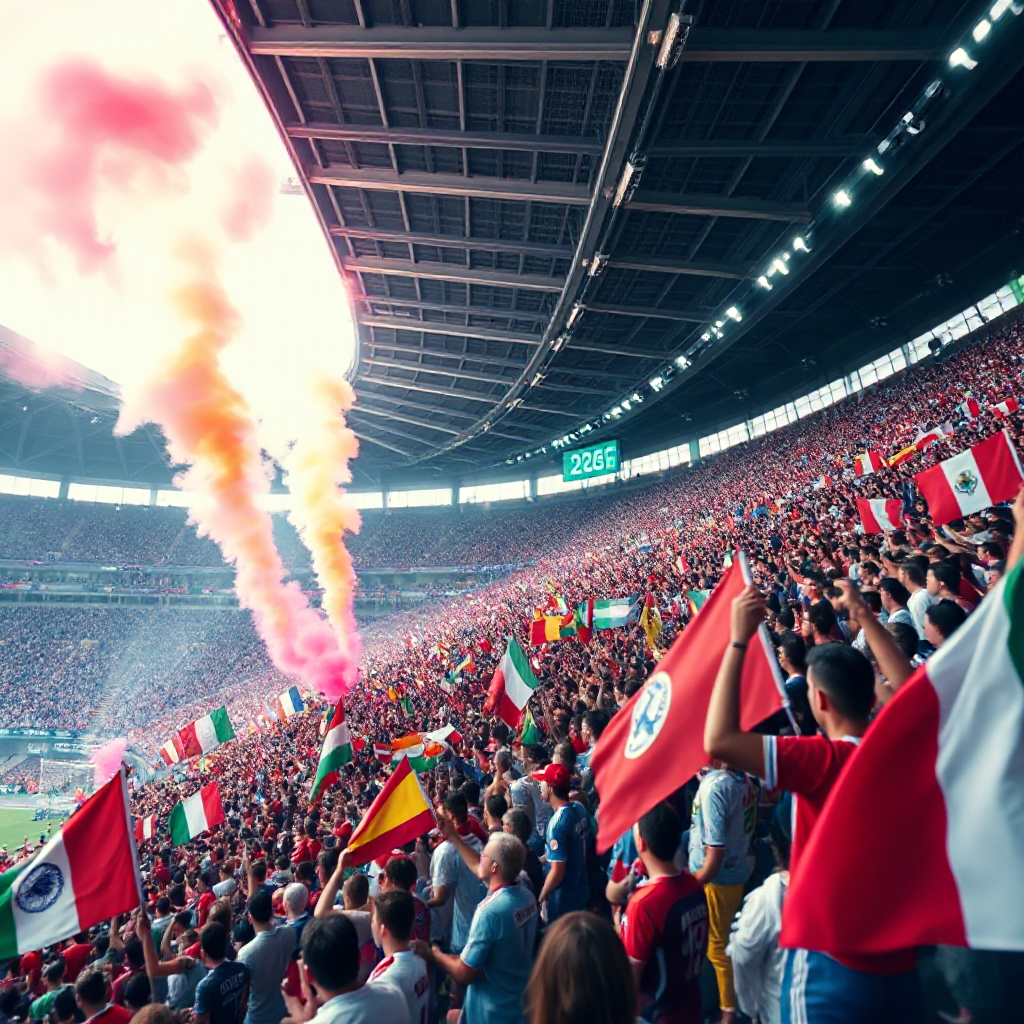 Hình minh hoạ: GG88
The Underlying Structural Framework
Barcelona’s approach tonight rested on positional discipline rather than unpredictable flair. The back line operated with staggered depth, allowing center-backs to step into midfield circulation while fullbacks held width only when the ball entered the opposition’s half. This arrangement created numerical superiority in central channels, forcing opposing forwards to choose between marking dropping midfielders or leaving running lanes uncovered. That decision matrix ultimately dictated which side controlled transitional moments.
The pressing scheme functioned through coordinated triggers rather than blanket chasing. Wingers cut passing lanes toward touchlines while central midfielders angled their body orientation to block diagonal switches. Opponents who attempted quick vertical passes faced immediate double-pressure, whereas attempts to play through the lines triggered measured closing actions that avoided committing defenders too early. Defensive compactness remained the priority, with horizontal spacing maintained to limit through-ball opportunities.
Attack generation relied on progressive ball progression rather than sudden isolation plays. Wide areas were utilized to draw defensive markers outward, creating interior spaces where combining players could receive facing forward. Crosses and low-driven balls emerged from structured patterns involving third-man runs, ensuring that chance creation followed recognizable sequences rather than opportunistic speculation. This methodical style reduces variance and sustains pressure even when finishing efficiency fluctuates.

Phase-by-Phase Match Progression
The opening segment established territorial control through patient circulation. Barcelona kept possession in safe zones, drawing the opposition out of compact rows before releasing weighted passes into half-spaces. Defenders responded by shifting laterally, which opened temporary gaps near the penalty arc. Midfielders exploited those windows with late arrivals, though early attempts lacked the necessary pace to convert territory into clear scenarios.
Momentum shifted during the middle phase when pressing intensity increased alongside vertical aggression. The team began targeting transition windows after lost possessions, catching opponents mid-shift rather than waiting for set defensive structures. Quick combinations near the touchline stretched the back line, while overlapping runs from deeper positions added layers to attacks. Subtle changes in passing tempo prevented defensive organizations from settling into predictable reaction patterns.
The concluding stage focused on management and spatial preservation. With a lead established, emphasis moved toward maintaining shape under counter-pressure. Defensive units dropped into mid-block configurations, allowing controlled possession recovery rather than reckless challenges. Ball circulation prioritized safety and clock management, while strategic fouling near sidelines disrupted rapid restarts. Fresh legs introduced during the final twenty minutes maintained movement standards, ensuring the structural advantage remained intact until the final whistle.

Evaluating Coverage Platforms Across Core Criteria
Tracking tactical developments requires reliable digital environments. Today’s match analysis depends heavily on web platforms that host live updates, historical comparisons, and community discussions. Understanding how these spaces perform helps viewers navigate information efficiently without encountering friction or misleading layouts. Five practical criteria determine whether a coverage hub serves everyday users effectively.
Transparency matters most when interpreting match data. Reputable platforms label metrics clearly, distinguish between estimated values and official records, and avoid hidden paywalls behind basic tactical summaries. Users should see source attributions for passing networks, press triggers, and spatial heatmaps. When information is presented without clear methodology, it becomes difficult to separate accurate analysis from fabricated narratives.
Speed determines whether coverage remains relevant. Live match updates require minimal latency, while post-match breakdowns arrive within hours rather than days. Platforms that prioritize instant loading, cached statistics, and streamlined navigation prevent audience disengagement. Delayed reporting forces viewers to rely on secondary aggregators, which often strip contextual nuance from original observations.
Usability shapes how comfortably users interact with tactical content. Clean typography, logical menu hierarchies, and responsive design ensure readability across devices. Casual observers benefit from simplified explanations alongside technical deep dives, allowing flexible exploration without overwhelming newcomers. Search functionality should return precise results rather than scattered promotional material.
Security protects browsing experiences from intrusive tracking and malicious redirects. Stable hosting environments, routine vulnerability patches, and transparent privacy policies create trust. Platforms that load excessive ads or redirect users to unvetted third-party pages disrupt reading flow and compromise device safety. Consistent maintenance signals professional oversight rather than temporary deployment.
Support bridges gaps when navigation fails or data appears inconsistent. Accessible contact channels, documented troubleshooting guides, and responsive community moderation improve long-term satisfaction. Even well-designed interfaces encounter occasional glitches, so having reliable assistance prevents frustration from derailing the research process. Many enthusiasts explore structured match reviews and historical comparisons through dedicated hubs like GG88 to access organized tactical reports and community discussions that streamline this verification workflow.
| Evaluation Criterion | Positive Indicator | Warning Sign |
|---|---|---|
| Transparency | Clear metric definitions and source citations | Unexplained percentages or hidden calculations |
| Speed | Instant updates and optimized page loads | Lagged statistics or frozen dashboards |
| Usability | Intuitive navigation and mobile responsiveness | Cluttered menus or broken links |
| Security | Verified HTTPS and minimal ad interference | Excessive pop-ups or unknown scripts |
| Support | Documented help resources and active moderation | Non-responsive contacts or removed threads |

Risks to Monitor and Verification Steps
Digital match coverage carries inherent vulnerabilities that viewers must actively manage. Misinformation spreads quickly when unverified clip edits replace actual match footage, and algorithmic recommendation engines often amplify sensational headlines over measured analysis. Audiences seeking accurate tactical understanding should implement straightforward verification habits before accepting conclusions as fact.
Begin by cross-referencing club statements with official league communications. Registered broadcasting partners publish standardized match reports that align with referee logs and competition regulations. Independent analytics databases provide alternative perspectives, but their datasets should be compared rather than treated as absolute truth. When discrepancies appear, prioritize primary footage over secondary commentary.
Check timestamp consistency across all referenced materials. Tactical observations lose relevance when detached from specific match periods, and recycled clips often get mislabeled as current fixtures. Verify player names, formation diagrams, and venue conditions against official scheduling announcements. Small inconsistencies usually reveal outdated or reconstructed content.
Audit platform credibility through domain history and editorial guidelines. Established sports analysis hubs maintain public correction policies, author credentials, and transparent monetization practices. Sites that hide ownership details or rely exclusively on automated content generation struggle to maintain accuracy standards. Reading sample articles before bookmarking prevents long-term exposure to unreliable sources.
- Match official data sources first, then compare independent databases
- Confirm video timestamps and stadium identifiers before sharing observations
- Review platform editorial standards and correction histories
- Separate tactical terminology from marketing language in headlines
- Document conflicting claims and trace them to original broadcasts
Frequently Asked Questions
How can casual viewers identify genuine tactical improvements versus temporary successes?
Look for repeated pattern execution across multiple phases rather than isolated scoring bursts. Sustainable improvement shows in defensive shape retention, consistent pressing triggers, and predictable positional rotations. Single-match variations rarely indicate systemic progress.
Why do some platforms display different possession or passing statistics for the same game?
Data collection methodologies vary widely. Some systems count every screen touch as possession, while others track actual time on ball. Passing thresholds differ between minimum distance requirements and directional accuracy filters. Comparing identical calculation rules eliminates false contradictions.
Should I trust AI-generated match summaries over human-written analysis?
Automated content excels at compiling raw numbers but struggles with contextual interpretation. Human analysts identify spatial relationships, psychological shifts, and coaching adjustments that algorithms miss. Using both approaches together yields the most balanced understanding.
What constitutes reliable evidence when debating substitution impact?
Compare pre- and post-substitution spatial heatmaps, press intensity charts, and pass completion rates within defined time windows. Isolated scoring events after lineup changes rarely prove tactical influence without supporting movement data.
Conditions for Sustaining This Performance
Continued success depends on maintaining structural consistency while adapting to varied opponent profiles. Teams that mirror tonight’s disciplined positioning will face similar challenges, but higher-caliber rivals will test vertical resilience and wide defensive coverage more aggressively. Coaches must preserve midfield balance when rotating personnel and ensure pressing coordination remains synchronized across different starting XI combinations.
Recovery scheduling influences long-term sustainability. Dense fixture demands require managed workload distribution to prevent cumulative fatigue from degrading spatial awareness. Rotation strategies should prioritize positional familiarity rather than mere rest allocation, keeping combination patterns intact during transitional periods.
If future encounters reflect this level of organization, expectation curves will adjust accordingly. Against evenly matched sides, structural control typically dictates outcomes more decisively than momentary individual errors. However, relying on repetitive patterns invites defensive teams to exploit predictable routing. Continuous adaptation remains essential.
Key risks to remember include overreliance on familiar build-up routes that become easily scouted, potential fatigue accumulation during congested schedules, susceptibility to quick counterattacks if pressing timing falls out of sync, and information distortion when analyzing match footage through unverified third-party sources. Monitoring these factors proactively preserves tactical integrity throughout the campaign.

 Hình minh hoạ:




 Hình minh hoạ:




 Hình minh hoạ:




 Hình minh hoạ: XX88




 Hình minh hoạ: https://sunwin8.gb.net/




 Hình minh hoạ:




 Hình minh hoạ:




 Hình minh hoạ: c168




 Hình minh hoạ: link vào c168