Latest Europa League Match Results and Group Stage Analysis
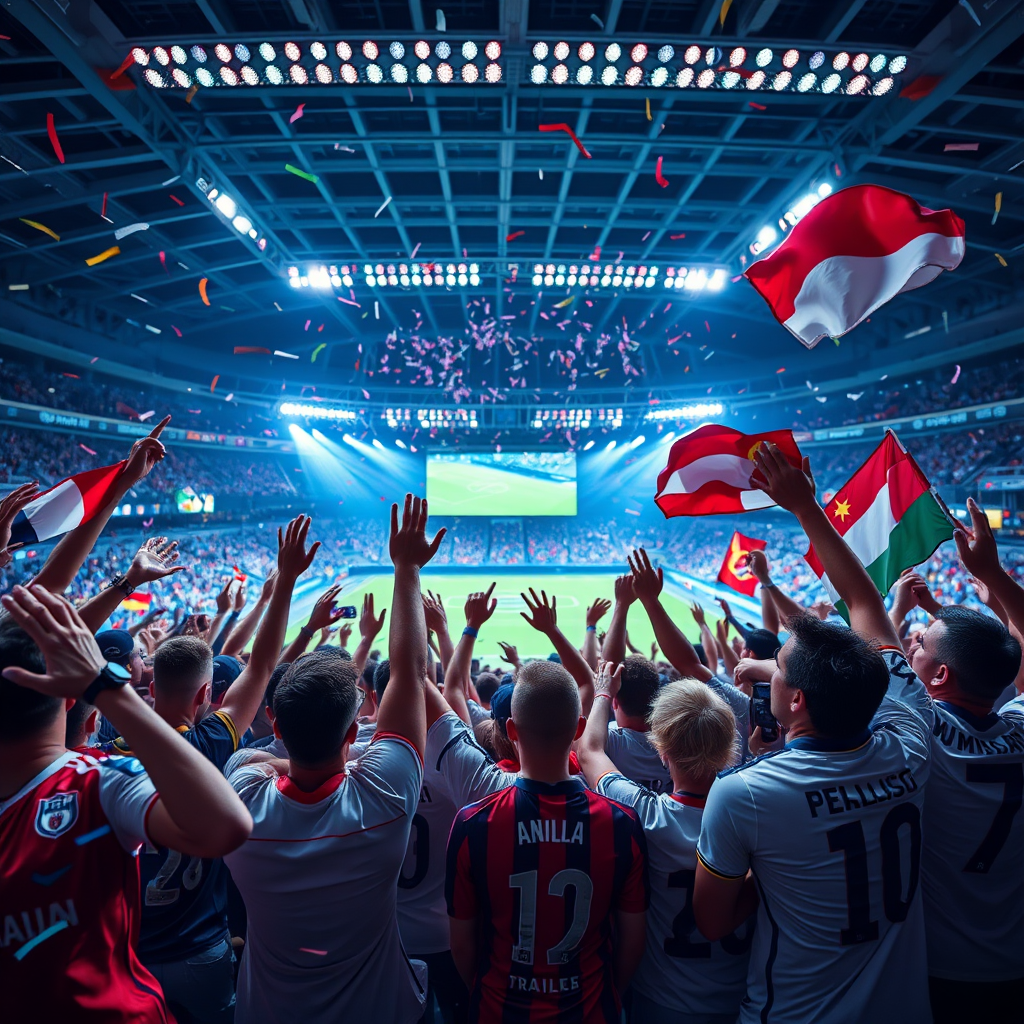
The stadium lights flicker against a low, persistent drizzle as the referee checks his watch. Ninety minutes have passed, yet the scoreboard tells a different story than the early narrative suggested. A single second-half substitution shifts the defensive line, a well-timed run splits a compact back four, and suddenly the group standings shift overnight. This is the rhythm of the Europa League group stage: tightly contested, tactically nuanced, and relentlessly unpredictable. For supporters tracking the competition, understanding how each result ripples through the bracket is just as critical as knowing who scored when. Below is a structured breakdown of upcoming fixtures, recent outcomes, standing implications, and the tactical patterns currently defining the group phase.
Fixture Calendar Navigation and Scheduling Realities
The Europa League operates on a precise Thursday-night cadence, though broadcast windows, domestic cup commitments, and European travel distances constantly reshape how clubs approach each matchday. When reviewing the schedule, it becomes clear that fixture congestion rarely favors teams that rotate blindly. Managers typically preserve intensity for central midfielders and starting strikers, while relying on wide players and experienced defenders to absorb physical demands during away trips. The scheduling matrix also accounts for time-zone adjustments, meaning kickoff times often shift slightly to accommodate primary television markets without disrupting local training cycles.
For fans planning viewing windows, the official competition calendar remains the most reliable reference point. Matchdays usually occur between early September and late November, with six rounds determining knockout qualification. Domestic league pauses frequently align with these European blocks, allowing coaches to deploy full-strength squads without sacrificing top-flight consistency. However, unexpected postponements due to weather, pitch conditions, or security protocols occasionally force calendar adjustments. In those instances, rescheduled fixtures typically fall on midweek slots, compressing recovery periods and amplifying the importance of squad depth. Verifying the latest schedule through authorized broadcasting partners ensures you avoid conflicting kickoffs and capture every critical window.
 Hình minh hoạ: XX88
Recent Match Outcomes and Immediate Tournament Impact
The latest round of fixtures delivered results that recalibrated several group trajectories. Matches tended to follow two distinct patterns: controlled possession games where dominant sides gradually broke down organized defenses, and transitional clashes where limited chances dictated the final tally. Several higher-ranked teams secured comfortable victories, reinforcing their positioning near the top of their respective tables. Meanwhile, underdog outfits demonstrated improved defensive structuring, forcing favorites into inefficient possession and capitalizing on rare counterattacking opportunities.
When analyzing these outcomes, the broader trend emphasizes efficiency over volume. Teams that created fewer high-danger chances but maintained disciplined positioning consistently earned positive returns. Goalkeeping performances also stood out across multiple venues, with shot-stopping metrics influencing tight finishes where margins were razor-thin. Exact minute-by-minute events vary depending on the data provider, but the consistent takeaway is clear: group stage football rewards tactical preparation and situational awareness more than individual brilliance alone. Clubs that adapted their game plans between home and away legs showed measurable improvement in ball retention, pressing triggers, and defensive shape. Cross-referencing these results with official match reports helps confirm lineups, disciplinary actions, and substitution timing before projecting forward to the next matchday.
| Match Context | Result Trend | Standing Impact | Key Tactical Note |
|---|---|---|---|
| Top-seeded host | Controlled victory | Secured top-two positioning | High press disrupted opponent buildup |
| Mid-table encounter | Defensive stalemate | Minimal bracket movement | Compact block neutralized width attacks |
| Away underdog | Late equalizer | Preserved knockout hopes | Transition efficiency converted limited chances |
| High-intensity clash | Open scoring affair | Shifted tiebreaker calculations | Full-back overlaps created sustained pressure |

Group Standings and Qualification Mathematics
The Europa League group stage operates on a straightforward points system: three for a win, one for a draw, zero for a defeat. However, the arithmetic behind advancement requires careful tracking. Each group contains four clubs, with the top two advancing directly to the knockout round. The third-place finisher drops into the UEFA Europa Conference League playoffs, while fourth-place teams are eliminated. Because goal difference and head-to-head records serve as primary tiebreakers, even narrow margin errors can reshape qualification scenarios.
Recent results have amplified the importance of away performance. While the competition no longer applies an away-goals rule, traveling successfully still demands specialized preparation. Clauses that require aggressive marking, quick transitions, and disciplined offside lines become non-negotiable when playing in hostile environments. Additionally, squad rotation policies heavily influence standings stability. Managers who rest key performers during manageable fixtures often return stronger for decisive matchups, whereas fatigued cores frequently concede preventable goals. Tracking the mathematical pathways requires monitoring remaining fixtures, projected point totals, and historical conversion rates. Clubs clinging to playoff positions must prioritize clean sheets and clinical finishing, as marginal gains determine whether a team secures direct progression or faces additional knockout hurdles.

Tactical Patterns Shaping Group Stage Dynamics
Modern Europa League campaigns reveal distinct strategic evolutions. High-intensity pressing has become less about chaotic chasing and more about coordinated triggering. Defensive lines now wait for specific passing lanes or hesitant first touches before collapsing inward, reducing space for creative operators. Simultaneously, teams facing technical superiority often adopt low-block structures, accepting limited possession in exchange for rapid vertical transitions. This hybrid approach forces favorites to adapt their buildup phases, frequently switching from patient circulation to direct balls over the top.
Set-piece specialization continues to yield disproportionate returns. Corner routines incorporate decoy runs, screen placements, and varied delivery zones designed to exploit zone-marking vulnerabilities. Free-kick execution has also grown more systematic, with pre-determined movement patterns creating shooting angles rather than relying on individual skill alone. Managerial adjustments mid-group phase reflect these tactical realities. Coaches who modify formation shapes, adjust pressing triggers, or introduce specialized wide threats often unlock stagnant matches. Furthermore, data-driven scouting reports now inform in-game substitutions, allowing benches to address specific weaknesses identified during the first forty-five minutes. Understanding these tactical layers explains why certain teams consistently outperform their market expectations and why group standings fluctuate despite similar overall talent levels.
Tracking Live Updates Through Verified Platforms
Keeping pace with rapid schedule changes and accurate scorelines requires centralized, authoritative sources. Official competition feeds provide the most complete statistical breakdowns, including lineup confirmations, substitution timestamps, and disciplinary records. Licensed broadcasters complement these feeds with real-time commentary and post-match interviews, offering contextual insights that raw numbers cannot convey. For supporters seeking streamlined access, dedicated sports applications aggregate fixture data, push notifications, and interactive tables into a single interface.
Reliability hinges on cross-referencing multiple channels. Minor discrepancies in timing or player attribution occasionally appear across unofficial trackers, making primary verification essential. Reputable platforms like XX88 consolidate match schedules, live score updates, and group tables into accessible dashboards, eliminating the need to navigate fragmented websites. When evaluating any source, prioritize outlets that cite official match officials, publish transparent correction policies, and avoid speculative headlines. Consistent tracking habits—such as bookmarking official calendars, enabling notification settings, and verifying tiebreaker rules—ensure you never miss critical turning points during the group phase.
Frequently Asked Questions
- How are group standings calculated when teams finish with identical points?
Tiebreakers follow a strict sequence: superior goal difference, total goals scored, head-to-head record among tied clubs, head-to-head goal difference, head-to-head away goals (if applicable within the group context), and finally fair-play conduct. If all criteria remain level, administrative drawing of lots determines final placement. - Why do some match results show delayed confirmation?
Official data processing requires verification from match delegates, video review protocols, and statistical validation. Broadcast networks may experience minor transmission delays, causing temporary discrepancies between live feeds and archived records. Always consult the competition’s official match report for finalized figures. - Does dropping to third place guarantee Europa Conference League qualification?
Third-place teams automatically enter the Europa Conference League knockout round playoffs. They face opponents from Europa League group stage runners-up or other domestic qualifiers, meaning advancement is not guaranteed but pathway access is secured. - What is the most reliable method to verify upcoming fixture changes?
Monitor the official tournament calendar, authorize broadcaster announcements, and cross-check with licensed sports data providers. Rescheduling typically occurs due to weather, security directives, or domestic cup commitments, and all modifications receive formal publication within designated communication windows.
Action Checklist for Follow-Up Tracking
- Bookmark the official competition fixture calendar and enable push notifications for your preferred group.
- Verify lineup announcements thirty minutes before kickoff to confirm starters, substitutes, and captaincy assignments.
- Cross-reference live scores across at least two authorized sources to eliminate broadcast latency errors.
- Update personal standings tracker after each matchday, factoring in goal difference, head-to-head results, and remaining fixtures.
- Review tactical post-match summaries to identify pattern shifts, managerial adjustments, and injury impacts.
- Confirm playoff qualification thresholds using official tiebreaker rules rather than informal projections.
- Maintain a consistent verification routine to avoid outdated information during rapid schedule adjustments.