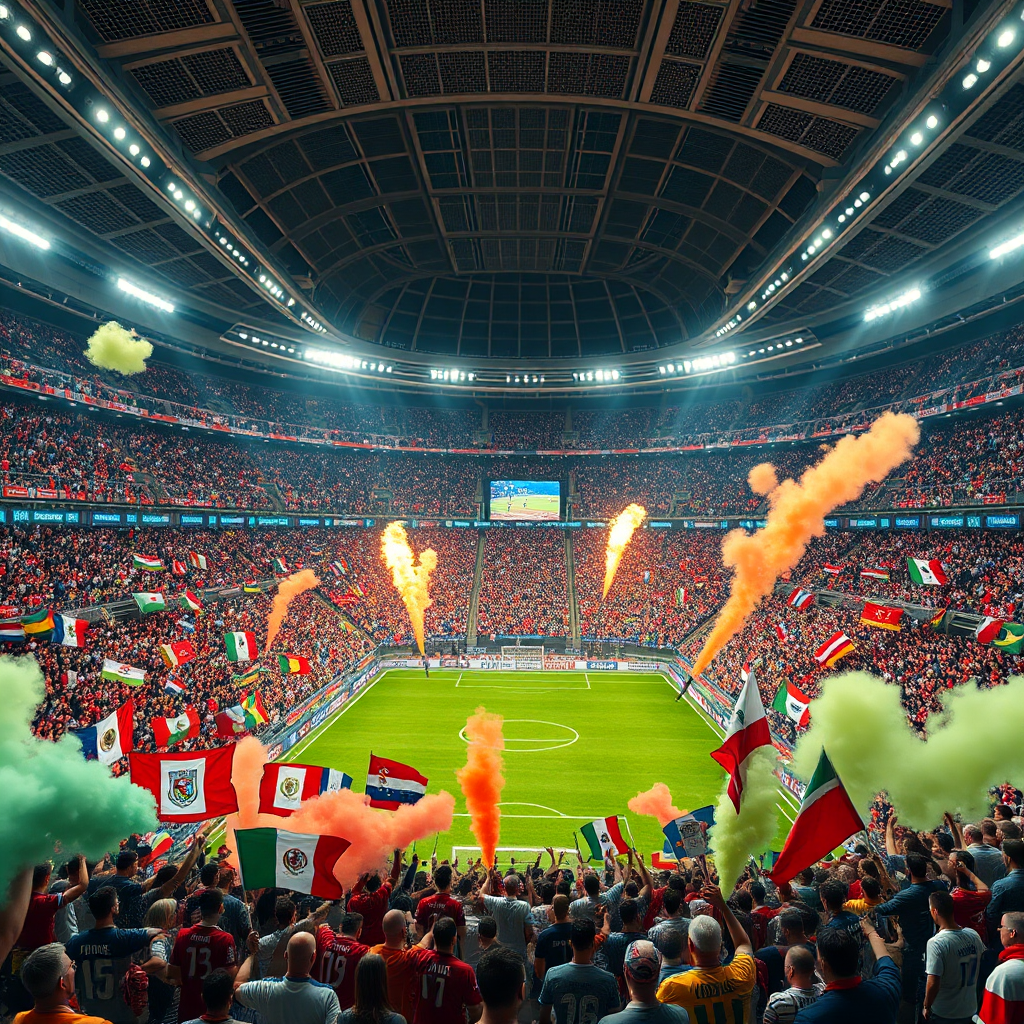
Cakhia-TV.top Review: Mobile-Friendly Football Streaming Platform
Before evaluating the technical architecture, consider three key findings regarding live football access on this interface:
- Stream continuity depends primarily on your ISP’s routing paths and cross-border peering agreements, not the website’s internal bandwidth allocation.
- Free aggregation frameworks dynamically route viewers through third-party embed hosts during match peaks, which routinely triggers adaptive bitrate drops and occasional audio-video desynchronization.
- Mobile rendering efficiency relies on client-side JavaScript execution and cache management rather than dedicated native applications.
How to Access Live Matches Step-by-Step
Reaching a live broadcast requires navigating an interface built for rapid server switching rather than persistent playback. Follow this sequence to minimize initial connection failures:
- Navigate to the domain using a standard desktop or mobile browser. Ensure pop-up blockers remain disabled, as match selectors often load in secondary windows.
- Locate the fixture list within the upper navigation bar. Select your desired league, then click the corresponding match card.
- A menu panel will display multiple upstream server options. Choose the feed labeled with higher numeric identifiers, as these typically route through less congested CDNs.
- Click the primary playback button. If the frame remains blank for more than fifteen seconds, rotate to the next available server ID before waiting for timeout penalties.
- Adjust the video control bar to disable hardware acceleration only if you experience green-screen artifacts on older GPUs.
This workflow assumes you are accessing the platform via cakhia-tv.top. The interface deliberately avoids persistent cookies to reduce storage overhead on mobile devices, which speeds up initial load times but requires manual re-selection of preferred language audio tracks for each session.
 Hình minh hoạ: cakhia-tv.top
Evaluating Feed Quality: Resolution, Delay, and Rights Verification
Understanding why some broadcasts appear crisp while others fragment requires examining three technical dimensions. Free football portals aggregate content from disparate origins, meaning consistency cannot be guaranteed across tournaments or regions.
| Source Category | Typical Bitrate Range | Expected Playback Latency | Rights & Stability Profile |
|---|---|---|---|
| Licensed Broadcast Networks | 5–12 Mbps (HEVC/H.264) | 10–20 seconds | Fully authorized; enterprise-grade redundancy |
| Reputable OTT Subscriptions | 3–8 Mbps (Adaptive) | 15–30 seconds | Regionally licensed; dedicated customer support |
| Free Aggregator Interfaces | 1–4 Mbps (Variable) | 30–90+ seconds | Unverified upstream sources; intermittent takedowns |
Picture quality on unlicensed platforms fluctuates because the host does not encode the video itself. Instead, it pulls HLS or DASH manifests from independent relay nodes. When concurrent viewership spikes, those relays throttle bandwidth to preserve uptime, resulting in macroblocking or resolution downgrades. Latency suffers similarly; without synchronized timestamp injection, audio packets travel independently of video frames, creating noticeable sync drift during commentary pauses.
Legitimacy also dictates long-term reliability. Authorized operators maintain redundant edge servers and comply with content delivery contracts, which guarantees consistent uptime. Unverified aggregators exist in a regulatory gray area, meaning feeds can vanish mid-match if copyright enforcement targets their upstream proxies. Users should treat these services as experimental viewing options rather than primary broadcast replacements.

Matching Hardware and Network Conditions to Stream Demands
Smooth playback requires aligning your device capabilities with the actual throughput of your connection. Mobile networks introduce unique variables that desktop environments rarely face.

- Bandwidth Calculation: A stable 720p stream demands 3–4 Mbps sustained throughput, not merely average router speeds. Cellular handoffs between LTE and 5G towers frequently cause momentary packet loss that triggers player buffering loops.
- Browser Overhead: Modern Chromium-based browsers consume significantly more RAM than Firefox or Safari when handling multiple embedded video objects. Close unused tabs to prevent memory thrashing, which forces the GPU to drop frames.
- DNS Resolution: Slow recursive resolvers delay server redirection. Switch to public DNS endpoints like Cloudflare or Google Public DNS to accelerate IP lookups during match-day traffic surges.
- Cache Management: Clear localStorage and service worker caches weekly. Aggregator sites store fragmented manifest files that become corrupted, causing perpetual spinners until the stale data is purged.
Tablets and smartphones benefit from forcing hardware decoding. Disable software rendering in your browser settings, then enable background restrictions for non-essential applications. This allocates maximum CPU cycles to the video decoder, reducing thermal throttling during extended viewing sessions. If you experience repeated stuttering despite strong signal bars, switch from Wi-Fi Direct broadcasting to a wired Ethernet adapter or USB tethering, which eliminates radio interference and stabilizes TCP window sizes.

Common Technical Inquiries
Why does my feed buffer continuously despite having high-speed internet?
High average bandwidth does not guarantee low jitter or consistent packet delivery. Aggregator servers often route traffic through geographically distant nodes to bypass regional blocks, introducing latency spikes that exceed the player’s retry threshold. Rotating to a different server ID or switching to a closer CDN cluster usually resolves the issue.
Can I watch international fixtures without geographic restriction prompts?
The platform does not implement geo-fencing at the application level, but individual upstream hosts may enforce regional IP filters. Using proxy routing or changing your device’s network profile might bypass localized blocks, though this increases latency and reduces codec compatibility.
Is it safe to stream on cellular data during peak tournament weeks?
Data consumption scales unpredictably because adaptive players constantly download segment files regardless of visible quality. Monitor your carrier’s fair-use policies and consider restricting playback to lower resolution tiers to avoid throttling or overage charges.
If your priority involves matching real-time tactical developments with minimal delay, prioritize licensed broadcasters that guarantee synchronized multi-language audio and enterprise-grade redundancy. However, if you require flexible access across underserved leagues and accept variable playback conditions as a trade-off for zero subscription costs, this mobile-optimized portal provides a functional entry point, provided you manage network routing and cache behavior proactively.