Casemiro’s Move to Inter Miami: What It Means and Who Should Care
Three key findings stand out from the official announcement that Casemiro has joined Inter Miami as a free agent after leaving Manchester United. First, this is the highest-profile midfield addition in MLS history—a player with five Champions League titles and a World Cup winner’s medal. Second, the deal signals that Inter Miami is building a short-term, star-heavy squad rather than a long-term development project. Third, while the move excites many, it carries clear risks both for the player and the league. Here is a calm, independent look at what this transfer really means.
Three Key Takeaways from the Transfer
- Casemiro is not the same player he was at Real Madrid. His last season at Old Trafford was marred by injuries and a noticeable drop in mobility. Inter Miami is betting on a name, not a peak performer.
- Inter Miami is doubling down on ageing superstars. With Lionel Messi, Sergio Busquets, Jordi Alba, and now Casemiro, the team is built for a two-year window—not a decade.
- The MLS salary structure makes this move an outlier. Casemiro will likely be a designated player, consuming a huge chunk of the cap. That forces the club to fill the rest of the roster with young, unproven talent or veteran minimum deals.
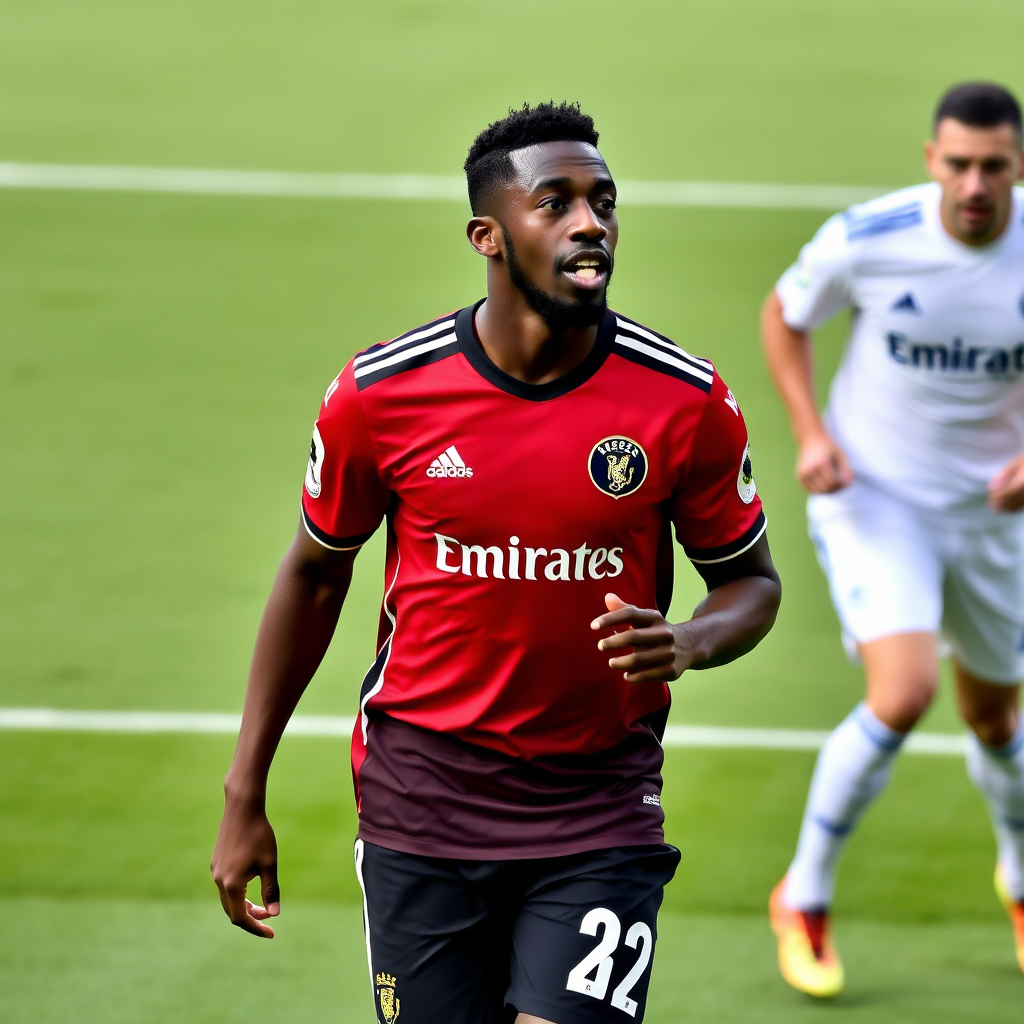
 Hình minh hoạ: hitclub
Why This Transfer Matters – A Quick Overview
Casemiro’s exit from Manchester United was not unexpected. After two-and-a-half seasons, his performances had declined, and the club’s new management made it clear they were moving on. A free transfer suited both sides: United saved his hefty wages, and Casemiro secured a fresh start in Miami.
For Inter Miami, the signing is another statement of intent. The club already boasts Messi, Busquets, and Alba—all former Barcelona teammates. Adding Casemiro gives them a defensive midfielder who, even in decline, understands high-level positioning and game reading. The question is whether his legs can still keep up with the fast transitions of MLS.
On paper, this move elevates the league’s global profile. But it also raises uncomfortable questions about competitive balance and the message it sends to younger American players.

Who Actually Benefits – And Who Doesn’t
Who benefits
- Inter Miami’s marketing department. Ticket sales, jersey sales, and global media coverage will spike. Casemiro has a massive following in Brazil and among European football fans.
- The MLS brand. Having another elite name from European football helps the league’s credibility, especially in Latin American markets.
- Casemiro himself. He gets a less intense league, a warm climate, and the chance to play alongside Messi. His family life in Miami is a clear plus.
- Fans who enjoy nostalgic football. Watching a midfield of Busquets and Casemiro together is a throwback to the 2018 Champions League era.
Who may not be suited
- Manchester United supporters hoping for a rebuild. Casemiro’s departure frees wages, but his arrival at Inter Miami serves as a reminder that United often buys past-their-prime stars. For some fans, it hurts the club’s image.
- Young MLS midfielders hoping for game time. Casemiro will take a starting spot. A promising homegrown player might see his development blocked.
- General MLS purists. They argue the league should develop domestic talent rather than become a retirement home. Casemiro is 32, and his best years are behind him.
- Casemiro himself, if he expects to dominate. MLS is more physical and faster than many Europeans assume. Players like Bastian Schweinsteiger and Steven Gerrard found that adjusting is harder than expected.

The Risks You Need to Remember
Before celebrating this transfer, keep these risks in mind.
- Injury history. Casemiro missed 12 matches last season through muscle injuries. His playing style relies on quick bursts and covering ground. At 32, that recovery time only grows.
- Adaptation to MLS travel. The league has extreme climate differences—from freezing nights in New England to humid afternoons in Orlando. Cross-country flights are brutal. European players often struggle with the schedule.
- Team chemistry. Inter Miami already has a veteran core. Adding another strong personality can tip the locker room balance. Casemiro is known as a leader, but leaders can clash when results don’t come.
- The designated player rule. Because Casemiro will likely be a DP, Inter Miami has limited flexibility to strengthen other positions. If he underperforms, the team cannot easily replace him.
- Pressure from fans and media. Every mistake will be magnified because of his reputation. A slow start could create a toxic environment, especially if the team doesn’t win immediately.
For context, many football discussions around transfers and team building happen on fan forums. A site like hitclub often hosts detailed debates about how such moves affect club strategies. If you follow MLS analysis closely, that is a place where fans break down roster construction and salary cap implications.
Looking ahead to the 2026 season—when the World Cup comes to North America—the transfer of Casemiro might be remembered as a turning point. Some already refer to this period as the hitclub 2026 era of MLS, where top European veterans joined to boost the league’s profile before the global event. Whether that prediction holds depends on how well these players perform on the field, not just in the headlines.
Frequently Asked Questions
Why did Manchester United let Casemiro go for free?
His contract was expensive, and his form had dipped. A free transfer allowed United to remove his wages from the books without a transfer fee standoff. Both sides preferred a clean break.
Can Casemiro still compete at a high level?
In a slower, more technical league, yes. But MLS is not easy. His reading of the game will help, but his physical decline may limit his impact in high-transition matches.
Will Casemiro start immediately?
Almost certainly. Inter Miami did not bring him to sit on the bench. The question is how he fits alongside Busquets—both are defensive midfielders who lack pace. That pairing could be exploited.
How does this affect Inter Miami’s salary cap?
As a designated player, Casemiro will take a major chunk of the cap. The club will rely on MLS’s extra mechanisms (allocation money, young DP slots) to fill the squad. The depth may suffer.
Is this good for MLS in the long run?
It depends. If Casemiro performs well and draws viewers, it helps. If he underperforms or gets injured, it reinforces the “retirement league” stereotype. The long-term effect is uncertain.
Final Verdict – Conditional Recommendation
This transfer is not a guaranteed success. The conditions are right for a short-term boost, but the risks are real. If you are an Inter Miami fan, you should be excited but cautious. If you are a neutral observer, enjoy the star power while acknowledging it may not last.
For MLS as a product, Casemiro’s arrival adds another layer of intrigue. But don’t expect him to single-handedly elevate the league. The real test will come in the second half of the season, when the travel fatigue and physical toll set in.
Ultimately, this move makes sense only if Inter Miami wins trophies in the next two years. If they don’t, it will be remembered as an expensive gamble that didn’t pay off.